
When Is a Survey Smart — and Why Non-Destructive Inspections Matter
The Big Picture
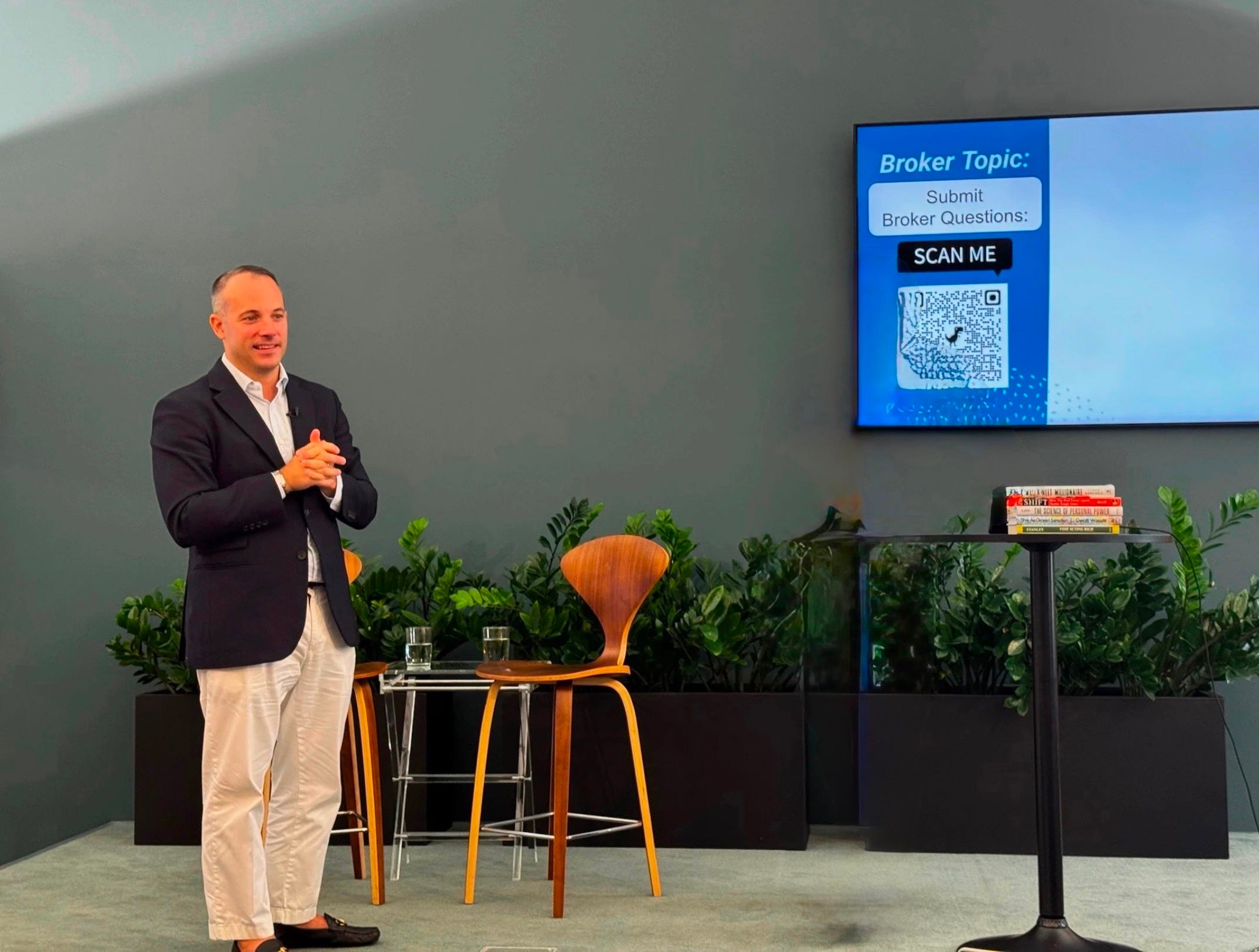
Every property tells a story. Some of those stories are written in boundary lines and flood elevations — others hide behind drywall and under tile. In this week’s session our Broker, Clayton Fields, reminded agents that great service doesn’t mean doing it all — it means knowing when to call the pros and how to protect your clients and yourself.
When Is a Survey Smart?
The need for surveys and elevation certificates often surface late in a deal, but they’re worth addressing early.
• When to order:
• A lender or insurer requests one.
• The property lines look questionable — fences, sheds, or driveways near edges.
• Any additions, garages, or decks were built since the last sale.
• Older or conflicting surveys exist.
• Who to ask first: Start with your title company. Many can pull previous surveys as a curtesy. Forward the file — don’t interpret it.
“I’m not a professional survey reader or engineer… I’m just a realtor.” — Clayton Fields
That humility is key. A survey is an engineer-stamped document defining property boundaries — not the building footprint. If the insurer needs a flood elevation certificate, make sure it’s current. When in doubt, loop in title, lender, and insurance before anyone spends a dollar at the state office.
Non-Destructive Inspections Only, Please
Field’s other rallying cry: protect the house — and yourself — during due diligence.
Too often, curiosity turns into damage. A buyer peels up carpet to “check for hardwood,” or a contractor chips a tile “just to see if it’s asbestos.” Those small actions can void agreements or expose everyone to liability.
“Stop interpreting stuff. Start being curious… and get permission in writing.” — Clayton Fields
Ground rules:
• Look, photograph, measure, test — but don’t remove.
• No carpet-pulling, wall-cutting, or tile-chipping without written seller consent.
• If something invasive is required (like a pipe scope via toilet removal), document it and extend due-diligence timelines.
• Never let clients use DIY asbestos or lead kits — only licensed environmental pros should sample materials.
A simple email does wonders:
“Our inspector requests limited access to [area] to evaluate [issue]. Please reply ‘Approved’ to authorize. We’ll restore the area and document completion.”It’s professional, transparent, and keeps emotions — and tools — in check.
“Let the home inspectors do that… Ask for permission. Don’t just do stuff to someone’s house.” — Clayton Fields
Why It Matters
These conversations are where KW New Orleans shines. We don’t shy away from tough details — we turn them into systems and scripts agents can use tomorrow. From understanding surveys to enforcing non-destructive inspections, our culture is about clarity, professionalism, and doing right by the client and the city we love.
Thinking about joining a brokerage where leaders talk real estate? You’ll find us right here — in New Orleans, building better deals and a stronger market together.
Disclaimer: This post is for informational purposes only and does not constitute legal, engineering, or environmental advice. Always consult licensed professionals for specific guidance.
This article was originally published on our website, which can be accessed here.